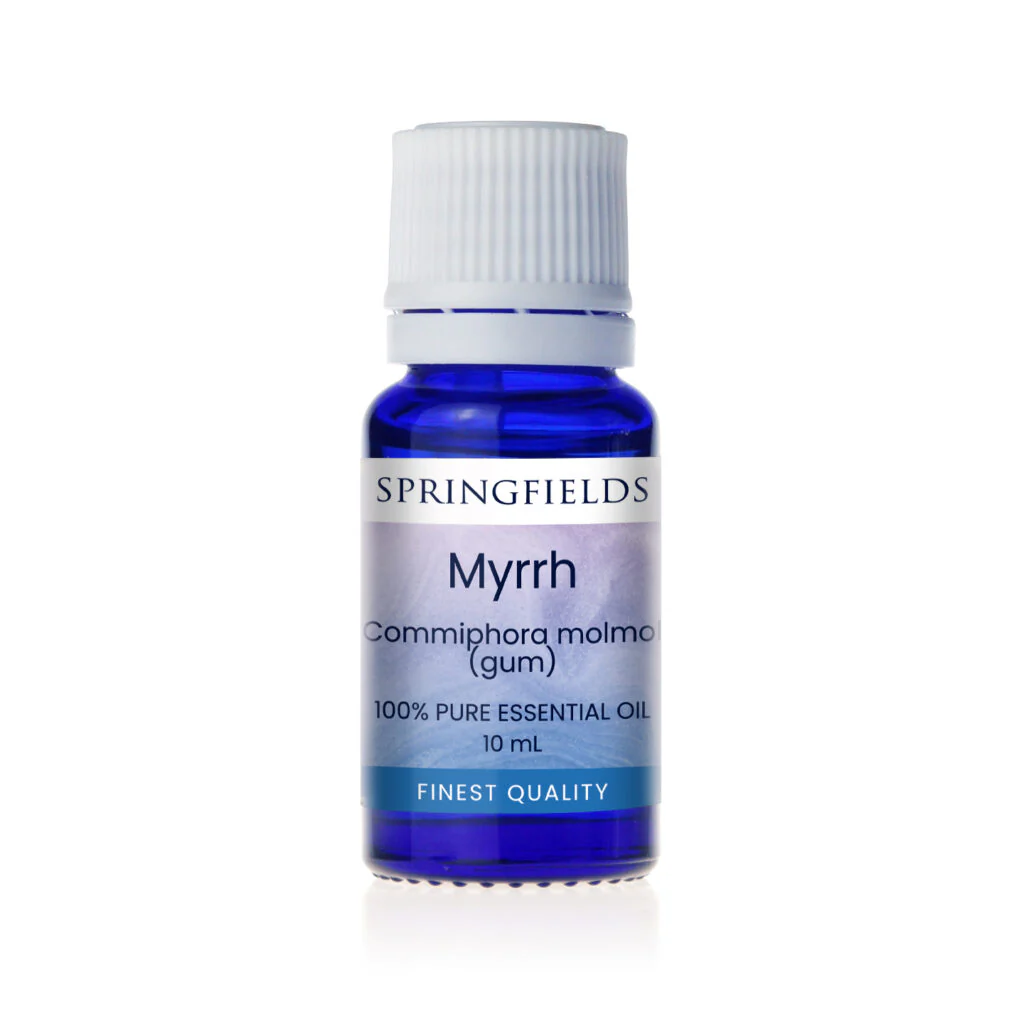
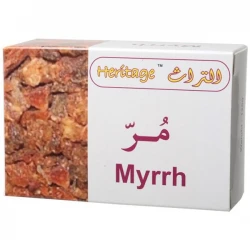
Omani Pure Myrrh Resin 125g, Product Of Oman
Myrrh is a tree in the Burseraceae family. It is one of the primary trees used in the production of myrrh, a resin made from dried tree sap. The tree is native to the Arabian peninsula (Oman, Yemen) and to Africa.
Myrrh resin is a natural gum obtained from the Commiphora myrrha tree, which is native to regions of the Arabian Peninsula and northeastern Africa. It has been used for centuries for its aromatic, medicinal, and religious purposes.
Here are some key points about myrrh resin:
-
Harvesting: Myrrh resin is harvested by making incisions in the bark of the Commiphora myrrha tree. The tree produces a sticky, yellowish sap, which hardens into reddish-brown tears or globules upon exposure to air.
-
Aromatic Properties: Myrrh has a distinct, earthy fragrance that is often described as warm, balsamic, and slightly spicy. It is commonly used in perfumes, incense, and aromatherapy blends.
-
Medicinal Uses: Myrrh has a long history of use in traditional medicine systems, particularly in Ayurveda and traditional Chinese medicine. It is believed to have anti-inflammatory, antimicrobial, and analgesic properties. Myrrh resin has been used to treat various ailments, including wounds, respiratory infections, digestive issues, and oral health problems.
-
Religious and Spiritual Significance: Myrrh resin has played a significant role in various religious and spiritual practices throughout history. It is mentioned numerous times in the Bible, where it was one of the gifts brought by the Three Wise Men to the infant Jesus. Myrrh has been used in religious ceremonies, rituals, and as an offering to deities in many cultures.
-
Cultural and Historical Significance: Myrrh has been highly valued since ancient times and was traded along ancient trade routes such as the Silk Road. It was used in embalming practices in ancient Egypt and as a component of incense and perfumes in ancient Greece and Rome.
-
Modern Uses: In addition to its traditional uses, myrrh resin is still used today in various industries. It is found in cosmetics, oral care products, herbal remedies, and even in some food and beverage products for its flavoring properties.
Overall, myrrh resin continues to be valued for its aromatic, medicinal, and cultural significance, making it a versatile and enduring natural product.
How To Burn Resin
Burning resin, such as myrrh resin, is a common practice for various purposes, including aromatherapy, spiritual rituals, and ceremonies. Here's a general guide on how to burn resin:
-
Choose a Suitable Container: Select a heat-resistant container to burn the resin. Traditionally, brass or copper incense burners are used, but you can also use ceramic or glass bowls or dishes.
-
Prepare the Container: If you're using a bowl or dish, fill it with a layer of sand or ash to insulate the container and dissipate heat. This helps prevent the container from overheating and protects the surface it's placed on.
-
Light a Charcoal Tablet: Most commonly, resin is burned on a charcoal tablet specifically made for burning incense resins. Use tongs to hold the charcoal tablet and light one edge with a lighter or match. The charcoal will begin to spark and crackle as it ignites.
-
Place the Charcoal in the Container: Once the charcoal tablet is lit and starts to glow red-hot, carefully place it in the center of the container on top of the sand or ash layer. Be cautious as the charcoal will emit heat.
-
Add the Resin: Once the charcoal tablet is glowing evenly, use a small spoon or tongs to sprinkle a small amount of resin onto the charcoal. Start with a small amount, as resin can produce a strong scent when burned.
-
Allow it to Burn: As the resin heats up on the charcoal, it will start to release its aromatic smoke. Allow the resin to burn and fill the space with its fragrance. You can add more resin as needed to maintain the desired level of scent.
-
Safety Precautions: Always exercise caution when burning resin. Keep the burning container away from flammable materials, and never leave it unattended. Ensure good ventilation in the room to avoid inhaling excessive smoke.
-
Extinguish Safely: Once you're finished with the burning session, allow the charcoal tablet to burn out completely and cool down before disposing of it. You can extinguish it by placing it in a container of sand or water.
Omani Pure Myrrh Resin 125g, Product Of Oman
Myrrh is a tree in the Burseraceae family. It is one of the primary trees used in the production of myrrh, a resin made from dried tree sap. The tree is native to the Arabian peninsula (Oman, Yemen) and to Africa.
Myrrh resin is a natural gum obtained from the Commiphora myrrha tree, which is native to regions of the Arabian Peninsula and northeastern Africa. It has been used for centuries for its aromatic, medicinal, and religious purposes.
Here are some key points about myrrh resin:
-
Harvesting: Myrrh resin is harvested by making incisions in the bark of the Commiphora myrrha tree. The tree produces a sticky, yellowish sap, which hardens into reddish-brown tears or globules upon exposure to air.
-
Aromatic Properties: Myrrh has a distinct, earthy fragrance that is often described as warm, balsamic, and slightly spicy. It is commonly used in perfumes, incense, and aromatherapy blends.
-
Medicinal Uses: Myrrh has a long history of use in traditional medicine systems, particularly in Ayurveda and traditional Chinese medicine. It is believed to have anti-inflammatory, antimicrobial, and analgesic properties. Myrrh resin has been used to treat various ailments, including wounds, respiratory infections, digestive issues, and oral health problems.
-
Religious and Spiritual Significance: Myrrh resin has played a significant role in various religious and spiritual practices throughout history. It is mentioned numerous times in the Bible, where it was one of the gifts brought by the Three Wise Men to the infant Jesus. Myrrh has been used in religious ceremonies, rituals, and as an offering to deities in many cultures.
-
Cultural and Historical Significance: Myrrh has been highly valued since ancient times and was traded along ancient trade routes such as the Silk Road. It was used in embalming practices in ancient Egypt and as a component of incense and perfumes in ancient Greece and Rome.
-
Modern Uses: In addition to its traditional uses, myrrh resin is still used today in various industries. It is found in cosmetics, oral care products, herbal remedies, and even in some food and beverage products for its flavoring properties.
Overall, myrrh resin continues to be valued for its aromatic, medicinal, and cultural significance, making it a versatile and enduring natural product.
How To Burn Resin
Burning resin, such as myrrh resin, is a common practice for various purposes, including aromatherapy, spiritual rituals, and ceremonies. Here's a general guide on how to burn resin:
-
Choose a Suitable Container: Select a heat-resistant container to burn the resin. Traditionally, brass or copper incense burners are used, but you can also use ceramic or glass bowls or dishes.
-
Prepare the Container: If you're using a bowl or dish, fill it with a layer of sand or ash to insulate the container and dissipate heat. This helps prevent the container from overheating and protects the surface it's placed on.
-
Light a Charcoal Tablet: Most commonly, resin is burned on a charcoal tablet specifically made for burning incense resins. Use tongs to hold the charcoal tablet and light one edge with a lighter or match. The charcoal will begin to spark and crackle as it ignites.
-
Place the Charcoal in the Container: Once the charcoal tablet is lit and starts to glow red-hot, carefully place it in the center of the container on top of the sand or ash layer. Be cautious as the charcoal will emit heat.
-
Add the Resin: Once the charcoal tablet is glowing evenly, use a small spoon or tongs to sprinkle a small amount of resin onto the charcoal. Start with a small amount, as resin can produce a strong scent when burned.
-
Allow it to Burn: As the resin heats up on the charcoal, it will start to release its aromatic smoke. Allow the resin to burn and fill the space with its fragrance. You can add more resin as needed to maintain the desired level of scent.
-
Safety Precautions: Always exercise caution when burning resin. Keep the burning container away from flammable materials, and never leave it unattended. Ensure good ventilation in the room to avoid inhaling excessive smoke.
-
Extinguish Safely: Once you're finished with the burning session, allow the charcoal tablet to burn out completely and cool down before disposing of it. You can extinguish it by placing it in a container of sand or water.
Product Information
Product Information
Shipping & Returns
Shipping & Returns
Description
Myrrh is a tree in the Burseraceae family. It is one of the primary trees used in the production of myrrh, a resin made from dried tree sap. The tree is native to the Arabian peninsula (Oman, Yemen) and to Africa.
Myrrh resin is a natural gum obtained from the Commiphora myrrha tree, which is native to regions of the Arabian Peninsula and northeastern Africa. It has been used for centuries for its aromatic, medicinal, and religious purposes.
Here are some key points about myrrh resin:
-
Harvesting: Myrrh resin is harvested by making incisions in the bark of the Commiphora myrrha tree. The tree produces a sticky, yellowish sap, which hardens into reddish-brown tears or globules upon exposure to air.
-
Aromatic Properties: Myrrh has a distinct, earthy fragrance that is often described as warm, balsamic, and slightly spicy. It is commonly used in perfumes, incense, and aromatherapy blends.
-
Medicinal Uses: Myrrh has a long history of use in traditional medicine systems, particularly in Ayurveda and traditional Chinese medicine. It is believed to have anti-inflammatory, antimicrobial, and analgesic properties. Myrrh resin has been used to treat various ailments, including wounds, respiratory infections, digestive issues, and oral health problems.
-
Religious and Spiritual Significance: Myrrh resin has played a significant role in various religious and spiritual practices throughout history. It is mentioned numerous times in the Bible, where it was one of the gifts brought by the Three Wise Men to the infant Jesus. Myrrh has been used in religious ceremonies, rituals, and as an offering to deities in many cultures.
-
Cultural and Historical Significance: Myrrh has been highly valued since ancient times and was traded along ancient trade routes such as the Silk Road. It was used in embalming practices in ancient Egypt and as a component of incense and perfumes in ancient Greece and Rome.
-
Modern Uses: In addition to its traditional uses, myrrh resin is still used today in various industries. It is found in cosmetics, oral care products, herbal remedies, and even in some food and beverage products for its flavoring properties.
Overall, myrrh resin continues to be valued for its aromatic, medicinal, and cultural significance, making it a versatile and enduring natural product.
How To Burn Resin
Burning resin, such as myrrh resin, is a common practice for various purposes, including aromatherapy, spiritual rituals, and ceremonies. Here's a general guide on how to burn resin:
-
Choose a Suitable Container: Select a heat-resistant container to burn the resin. Traditionally, brass or copper incense burners are used, but you can also use ceramic or glass bowls or dishes.
-
Prepare the Container: If you're using a bowl or dish, fill it with a layer of sand or ash to insulate the container and dissipate heat. This helps prevent the container from overheating and protects the surface it's placed on.
-
Light a Charcoal Tablet: Most commonly, resin is burned on a charcoal tablet specifically made for burning incense resins. Use tongs to hold the charcoal tablet and light one edge with a lighter or match. The charcoal will begin to spark and crackle as it ignites.
-
Place the Charcoal in the Container: Once the charcoal tablet is lit and starts to glow red-hot, carefully place it in the center of the container on top of the sand or ash layer. Be cautious as the charcoal will emit heat.
-
Add the Resin: Once the charcoal tablet is glowing evenly, use a small spoon or tongs to sprinkle a small amount of resin onto the charcoal. Start with a small amount, as resin can produce a strong scent when burned.
-
Allow it to Burn: As the resin heats up on the charcoal, it will start to release its aromatic smoke. Allow the resin to burn and fill the space with its fragrance. You can add more resin as needed to maintain the desired level of scent.
-
Safety Precautions: Always exercise caution when burning resin. Keep the burning container away from flammable materials, and never leave it unattended. Ensure good ventilation in the room to avoid inhaling excessive smoke.
-
Extinguish Safely: Once you're finished with the burning session, allow the charcoal tablet to burn out completely and cool down before disposing of it. You can extinguish it by placing it in a container of sand or water.